
Unlocking the Gut-Brain Connection: The Two-Way Connection That Helps Shape Your Health
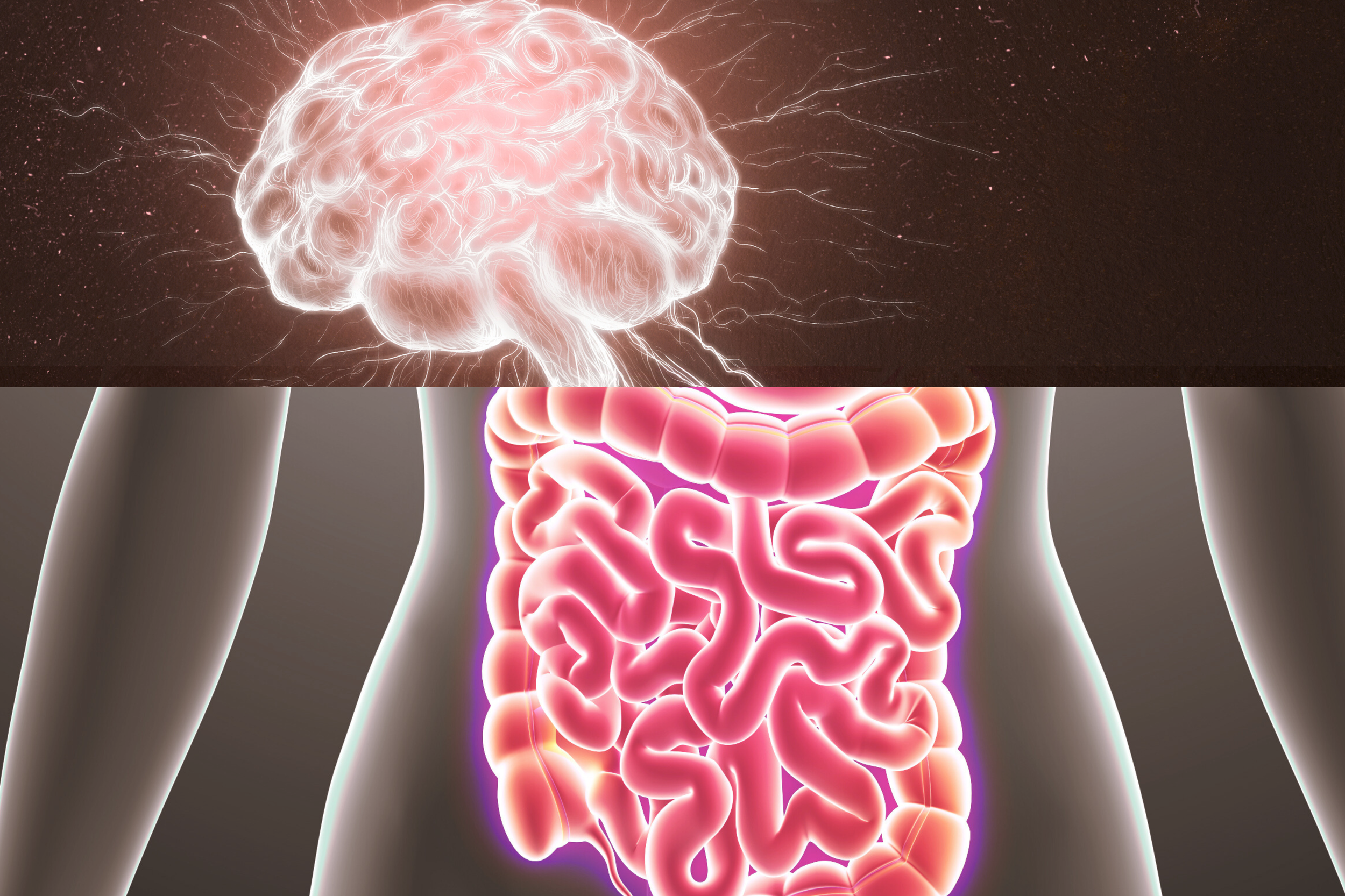
We’ve all experienced that "gut feeling" or those "butterflies" when nervous. For a long time, we assumed the gut and brain worked separately: one digests food, the other handles thoughts and emotions.
But science now shows they are in constant two-way communication. This connection, known as the gut-brain axis, influences far more than just digestion. It influences everything from mood, stress, sleep, immunity, hormones, mental health, and more!
What Is the Gut-Brain Axis?
The gut-brain axis is the communication network between your central nervous system (the brain and spinal cord) and your enteric nervous system (the "second brain" in your gut). This system helps explain why thinking about food can make you salivate or why emotional stress can trigger bloating, cramps, or diarrhea.
How does the Gut and Brain Communicate?
There are physical and chemical connections between your gut and your brain, including:
The Vagus Nerve - A major nerve that runs from your brainstem to your colon. It acts like a direct phone line, carrying signals about pain, digestion, inflammation, and emotion between the brain and gut.
Neurotransmitters - Chemical messengers that help to regulate your digestion and emotional well-being.
The Gut Microbiome- Trillions of bacteria and other microscopic organisms live inside your gastrointestinal tract and act as tiny chemical factories, producing signals that influence both your gut and your brain.
Fun fact: Did you know your body contains more bacterial cells than human cells?
The Gut Microbiome: More Than Digestion
When you hear “gut microbiome,” you probably think about digestion. But its role goes far beyond that. The beneficial microbes living in your gut influence many aspects of your health, including your immune system, skin, hormones, metabolism, and even your mental health.
The gut microbiome is a complex ecosystem made up of bacteria, yeast, viruses, archaea, and fungi, along with their combined genetic material and the substances they produce. Whether these byproducts are helpful or harmful depends on the types of microbes present. Research shows that a healthy gut microbiome is diverse, balanced, and stable. (1)
What Metabolites Do Some Gut Microbes Produce?
Your gut microbes produce various compounds that affect your whole body. These include:
Short-chain fatty acids (SCFAs)
Secondary bile acids
Trimethylamine
Hexa Lipopolysaccharides (Hexa- LPS)
Branched-chain amino acids (BCAAs)
Though the names may sound technical, these metabolites play critical roles in immune function, brain health, inflammation, cardiovascular health, digestion and more.
For example, short-chain fatty acids help regulate the balance of gut microbes, support the integrity of the intestinal barrier, reduce inflammation, and can even cross the blood-brain barrier. (2) Once in the brain, they can help lower inflammation and support neurological health.
In contrast, Hexa-LPS are pro-inflammatory and are linked to intestinal barrier dysfunction. When Hexa-LPS enter the bloodstream, they can trigger systemic inflammation and contribute to various negative health effects. (3)
Serotonin and The Gut
When you hear the word serotonin, what comes to mind? Probably happiness, mood, maybe even depression. Most of us think of it as something that lives in the brain.
But here’s a surprise: about 90% of your body’s serotonin is actually made in your gut! (4)
That’s right. Your gut isn't just a place where food gets digested: it's also a chemical powerhouse. The serotonin made in your digestive tract is called peripheral serotonin, and while it doesn’t directly affect your mood (because it can’t cross the blood-brain barrier), it plays a major role in how your digestive system works.
Think of serotonin as your gut’s traffic controller. It helps everything run smoothly.
Keeps Things Moving
Serotonin tells the muscles in your gut when to contract, helping to move food along through your digestive system, a process called peristalsis:
Too much serotonin? Things speed up, and you might end up with diarrhoea.
Too little serotonin? The gut slows down, and you may feel constipated.
Regulates Fluid and Mucus
It also helps your gut decide how much fluid and mucus to produce. This is important for breaking down food, absorbing nutrients, and keeping your poop the right consistency.
Triggers Pain and Discomfort
Ever feel super sensitive to bloating or gas? That’s serotonin again. It affects how strongly you feel pain and discomfort in your gut.
So, if gut serotonin doesn't control your mood directly, why is there such a strong link between a distressed gut and issues like anxiety or depression?
Here’s how it works:
When Your Brain Talks to Your Gut
When your gut’s serotonin system isn’t working properly, like in irritable bowel syndrome (IBS), your gut nerves can become overly sensitive. They start sending stronger and more frequent pain signals to your brain through the vagus nerve. This constant discomfort can take a real toll on your mental health and is one reason why people with IBS often struggle with anxiety and depression.
When Your Gut Talks to Your Brain
The connection is two-way. Stress, anxiety, or emotional distress in the brain can send signals down to the gut. These signals can alter the release of serotonin in the gut, often triggering an IBS flare-up. This is why you get "butterflies" when you're nervous or have to rush to the bathroom when you're stressed.
Gut Health and Mental Health: A Two-Way Connection
Both gut health and mental health are complex on their own, but research shows they’re deeply connected. In fact, conditions like anxiety are often linked to chronic gut issues such as IBS.
New studies suggest that the bacteria living in your gut could play a role in influencing symptoms of depression and anxiety (6,7). This means your mental well-being might be shaped not just by your brain, but also by what’s happening in your digestive system.
The Gut Microbiome and Your Immune System
The immune system is our body's protection against disease, and it works closely with our gut microbiome. It is also a crucial part of the brain-gut connection. Just as your immune system can impact your gut health, your gut microbiome can directly influence your immune system.
Did you know? A large portion of your immune system is located in your gut, around 70%, with over 80% of your plasma cells, mainly IgA (your front-line defence against viruses, harmful bacteria, pathogens and toxins), residing there. As a result, an impaired gut microbiome can lead to increased food and environmental allergies, lowered immunity, and a rise in histamine-related symptoms such as rashes, stuffy nose, headaches, and bloating (8).
How to Support the Gut-Brain Axis
When it comes to gut health, it’s all about building strong foundations and incorporating targeted therapies when needed. A diverse, nutrient-rich diet, regular movement, quality sleep, and effective stress management are essential.
Did you know that stress doesn’t just raise cortisol levels? It can also disrupt the balance of your gut microbiome. (9)
Your gut isn’t just where food gets digested; it’s a hub of communication and could be a big piece of the puzzle when it comes to your health.
The gut-brain axis is a fascinating and rapidly evolving area of research, and because everyone’s gut ecosystem is unique, there’s no one-size-fits-all approach to health. Understanding your individual biology, gut microbiome, lifestyle, and symptoms is key to discovering what works best for you.
By focusing on these foundations and tuning into your personal gut ecosystem, you can create lasting balance and vitality.
References
1. Lozupone, C. A., Stombaugh, J. I., Gordon, J. I., Jansson, J. K., & Knight, R. (2012). Diversity, stability and resilience of the human gut microbiota. Nature, 489(7415), 220–230. https://doi.org/10.1038/nature11550
2. Zhang, D., Jian, Y. P., Zhang, Y. N., Li, Y., Gu, L. T., Sun, H. H., ... & Xu, Z. X. (2023). Short-chain fatty acids in diseases. Cell Communication and Signaling, 21(1), 212. https://doi.org/10.1186/s12964-023-01219-9
3. Ahola, A. J., Lassenius, M. I., Forsblom, C., Harjutsalo, V., Lehto, M., & Groop, P. H. (2017). Dietary patterns reflecting healthy food choices are associated with lower serum LPS activity. Scientific Reports, 7(1), 1-9. https://doi.org/10.1038/s41598-017-06885-7
4. Strandwitz P. (2018). Neurotransmitter modulation by the gut microbiota. Brain research, 1693(Pt B), 128–133. https://doi.org/10.1016/j.brainres.2018.03.015 doi: 10.1016/j.brainres.2018.03.015
6. Aizawa, E., Tsuji, H., Asahara, T., Takahashi, T., Teraishi, T., Yoshida, S., Ota, M., Koga, N., Hattori, K., & Kunugi, H. (2016). Possible association of Bifidobacterium and Lactobacillus in the gut microbiota of patients with major depressive disorder. Journal of affective disorders, 202, 254–257. https://doi.org/10.1016/j.jad.2016.05.038
7. Valles-Colomer, M., Falony, G., Darzi, Y., Tigchelaar, E. F., Wang, J., Tito, R. Y., ... & Raes, J. (2019). The neuroactive potential of the human gut microbiota in quality of life and depression. Nature microbiology, 4(4), 623-632https://doi.org/10.1038/s41564-018-0337-x
8. Vighi, G., Marcucci, F., Sensi, L., Di Cara, G., & Frati, F. (2008). Allergy and the gastrointestinal system. Clinical & Experimental Immunology, 153(Supplement_1), 3-6. h ttps://doi.org/10.1111/j.1365-2249.2008.03713.x
9. Ma, L., Yan, Y., Webb, R. J., Li, Y., Mehrabani, S., Xin, B., ... & Mazidi, M. (2023). Psychological stress and gut microbiota composition: a systematic review of human studies. Neuropsychobiology, 82(5), 247-262.https://doi.org/10.1159/000533131
