



Part 1 - Why Your Brain Resists Change and How to Work With It
Something I see a lot in clinic is incredibly intelligent, capable people who know the foundations of health, good quality sleep, nourishing food, hydration, movement, sunlight, relaxation, and stress reduction, yet still struggle to put them into practice. Not because they don’t care, but because when you are overworked, depleted, or stuck in survival mode, even the simplest habits can feel overwhelming.
While nutrients, herbs, and targeted interventions can help replenish what’s been worn down and support the nervous system while you’re doing the deeper work, my long-term goal is always to help people return to a life where only the essential interventions are needed, a life where the foundations of health can truly sustain them. And for that to happen, habits play a crucial role.
This three-part blog series is about understanding what actually gets in the way of change. Without recognising how your brain, biology, and behaviour patterns shape your actions, it is easy to feel like you are constantly patching holes rather than creating lasting change. And in a world that keeps telling you to “just have more willpower,” the truth is that even the most motivated people struggle, because building habits is about more than just trying harder.
Across this series, I’ll explain:
Why your brain resists change – the neuroscience behind habits, dopamine, reward prediction error, mental energy, and neuroplasticity, and why identity-based habits are more powerful than goal-based ones.
How habits actually form – including the timeline of habit building, why context and cues matter more than willpower, and how visualisation can prime your brain for lasting change.
Task bracketing: how habits stick – how neural circuits in the basal ganglia mark the beginning and end of behaviours, why biological states matter more than the clock, and practical strategies to make habits effortless and sustainable.
By understanding the brain and behaviour patterns that shape your actions, you gain clarity and practical tools to build the habits you want, creating meaningful, long-term change.
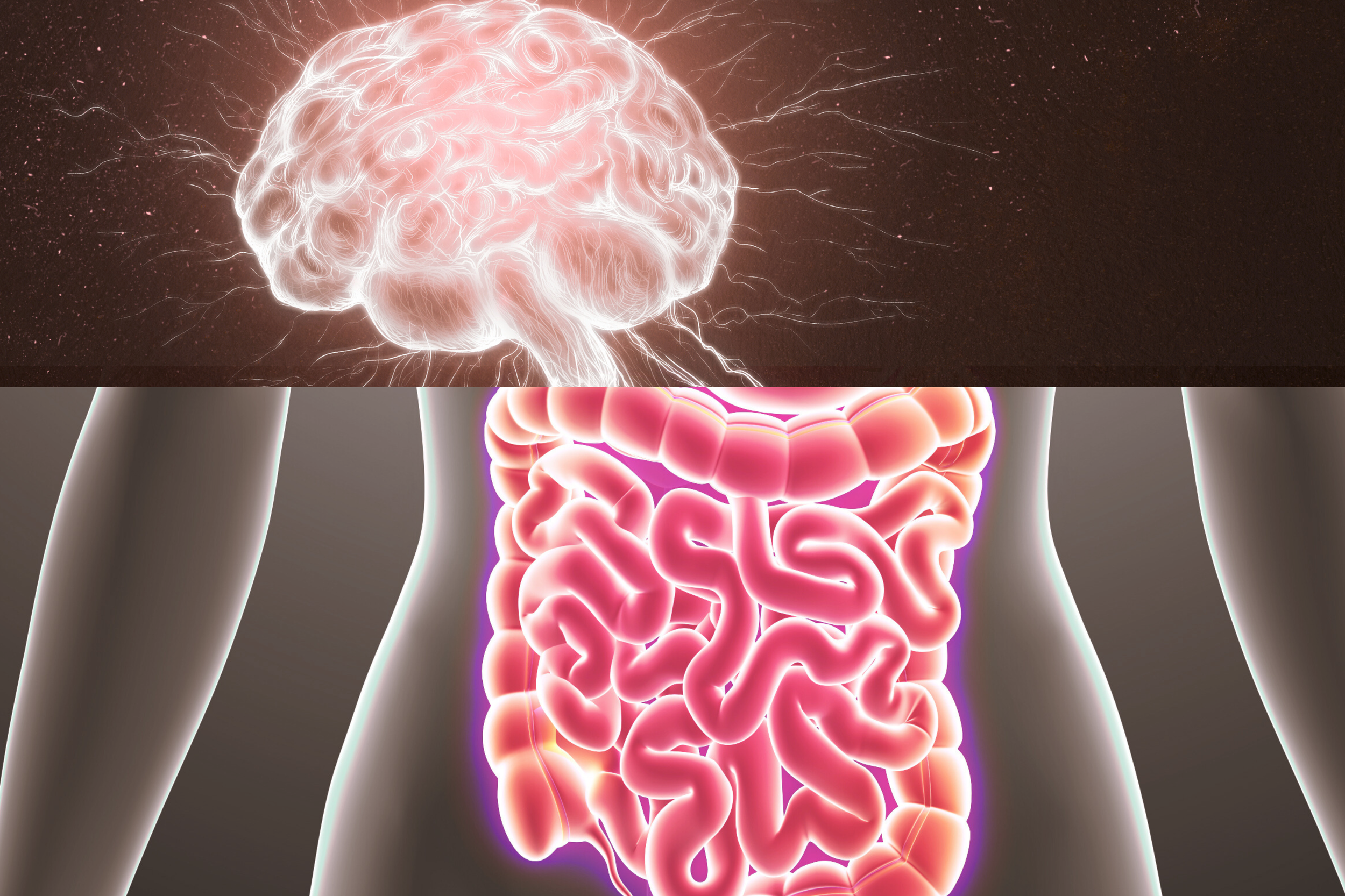
Unlocking the Gut-Brain Connection: The Two-Way Connection That Helps Shape Your Health
Why this connection matters